
The World Needs Data Centres: Don’t Let Noise Be A Quiet Killer
The digital age is here with the adoption of artificial intelligence, more digital business processes, the move to cloud, and the use of big data. These are all driving the need for more data centres. Spending on data centres globally is projected to reach approximately $1.6 trillion in capital expenditure by 2026. The US leads the world with an estimated 5,426 data centres as of 2025, accounting for over 45% of the global total, with thousands more distributed worldwide.
The Growing Challenge of Data Centre Noise
Noise is often a big concern for data centres once they start operation, but proper consideration for noise is rarely given at the outset of a project. And companies cannot rely on bylaws or regulations to manage the problem, since many municipalities and communities do not have adequate regulations or ordinances to handle the issues. Complaints from residents can easily bring the incoming modern world to a screeching halt.
Northern Virginia hosts the most data centres in the world, and they are often not welcome, especially as noise regulations have not kept pace with data centre development. Protesting neighbours is not an ideal scenario, but trying to resolve the situation within an established centre is costly.
Location and Power Considerations
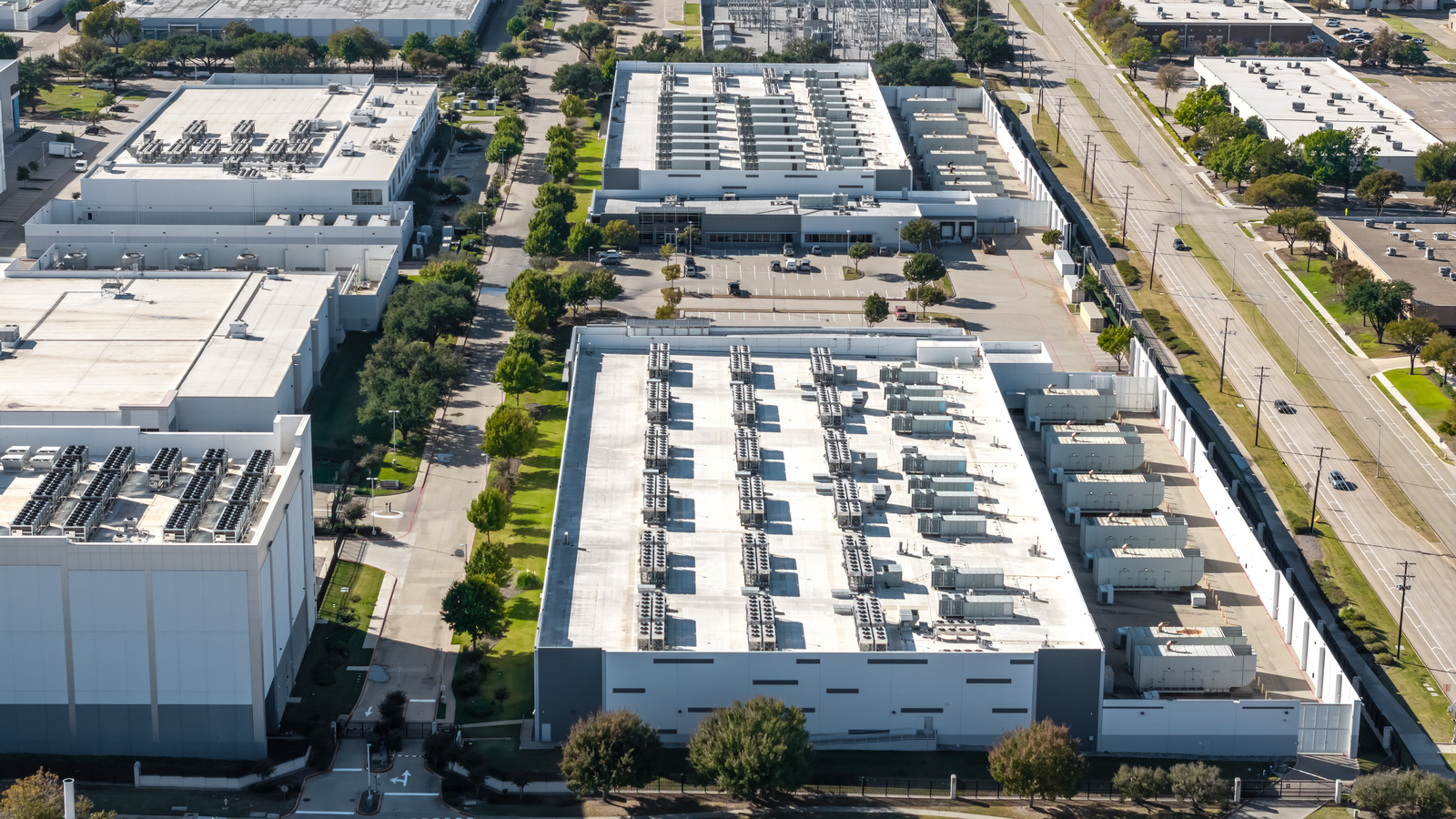
With a large influx of new 24/7 data centres coming, building a network of computing and storage resources is not necessarily easy. Usually located in industrial parks or near urban centres, data centres also need to be close enough to city infrastructure. The hardware houses large volumes of critical data and the facilities need to be highly available and relatively quiet, but they generate a significant amount of heat and that leads to noise. The cooling systems required to keep the hardware at the right temperature are significant.
On top of this, data centres often cannot rely on local utilities alone; they need to generate their own power. Power generation systems, including co-generation units and large back-up generators, are massive noise sources that must be accounted for in planning.
Cooling Systems and Noise
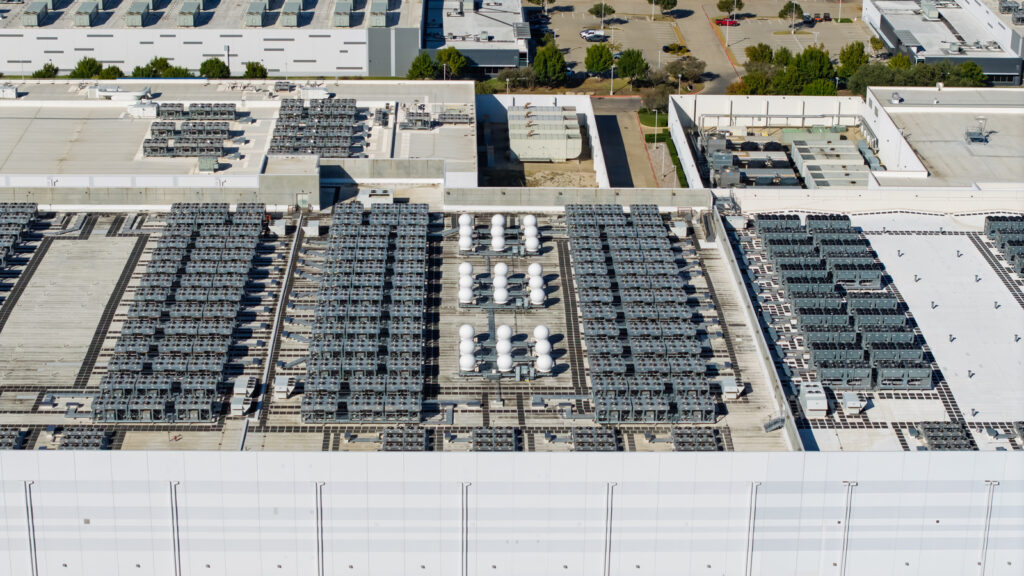
An average grocery store with food refrigeration and freezing capabilities can usually meet its cooling needs with one or two major cooling units with eight to 10 supporting fans, but data centres require dozens or hundreds of rooftop cooling units, clustered in a very small area. And while there are different condenser options and some innovative solutions for data centres, noise needs to be part of the planning and design.
Five Key Considerations for Site Planning
The key for building data centres is navigating entitlement/site planning, local land use planning requirements, and community concerns while creating an ideal situation for critical hardware infrastructure. There are five key considerations before starting to build.
1. Identify noise sources: Understand all the main noise sources, from condensers to the back-up generators to power generation systems. Equipment manufacturers are not focused on the noise factor and publish data based on the worst-case scenario, so just using their guidelines could lead to overbuilding. Generators normally do not need to meet sound level limits in emergency power situations, but if the data centre wants to do regular testing then that noise needs to be considered. This is not a quick switch on and off, so residents are going to notice. For example, a generator test could run for four to eight hours and could include multiple units being tested in various sequences. The generators can also shave peak electricity use in periods of high demand, for cost savings. If this kind of activity is planned, it needs to be considered in the noise-prediction model.
2. Review technology options: The need to keep data centres cool is driving new innovations for condensers. There are now water-free data-centre cooling systems that require fewer traditional condensers, and can be noticeably quieter. For more traditional noise control options, there are intake silencers and roof screens to consider. Special acoustical barrier designs can vary in footings to spread the weight across a roof with minimal impact to the overall structure, but it’s always best for a roof barrier to be considered as part of the overall structural design.
3. Plan for noise reduction: Complaints are costly – it’s always more cost effective to design with noise in mind at the outset. With the number of data centres expanding, neighbours always need to be part of the equation and of the design process. For example, trying to retrofit roof screens can be a major expense if the roof design cannot support the weight.
4. Explore permitting options: Data centres may need a noise study before zoning or government approvals. An engineering study can identify ways to mitigate noise and help meet area zoning requirements. Even if a permit is not required, it can serve as a point of reference if there are complaints made. If there are municipal noise bylaws, design the facility from the beginning to meet the limits. Again, discovering noise issues after build is costly and having documentation available to manage any noise complaints is a useful tool.
5. Understand the regulatory framework: Northern Virginia is a good example of incomplete regulation in the face of a changing technology landscape. More data centres are coming so municipalities and communities need to prepare. This is the time to review existing ordinances and bylaws to see if they can handle data-centre noise. Having the framework in place before the data centres arrive will make it easier for all parties involved.
AI and the Next Wave of Demand
The rise of artificial intelligence companies has made the demand for large, high-capacity data centres even greater. AI workloads are power-intensive and require continuous cooling and energy supply, amplifying the noise problem from both HVAC systems and on-site power generation. With AI driving the next wave of digital infrastructure, data centre developers need to balance rapid growth with sustainable noise management strategies.
Partnering for Better Planning
Building a data centre should always include a discussion on noise. Navigating entitlement, land use planning requirements, local regulations, and community concerns must be part of the process. Data centres are not always welcome neighbours, so site-wide noise studies, noise monitoring, and noise investigations should be part of the plan.
Aercoustics can help clients find the best approaches for planning a data centre location, securing the required permits, and managing noise controls. We can also help custom design new components and support permitting in areas that require it. For municipalities needing to review their bylaws or ordinances, Aercoustics can also support developing a framework that will work in their communities. The coming digital technologies, especially AI, are exciting but be prepared for data centres, and their noise, to be nearby.