
Ontario’s Data Centre Playbook wants quieter facilities
Noise isn’t something to fear, it’s something we know how to control.
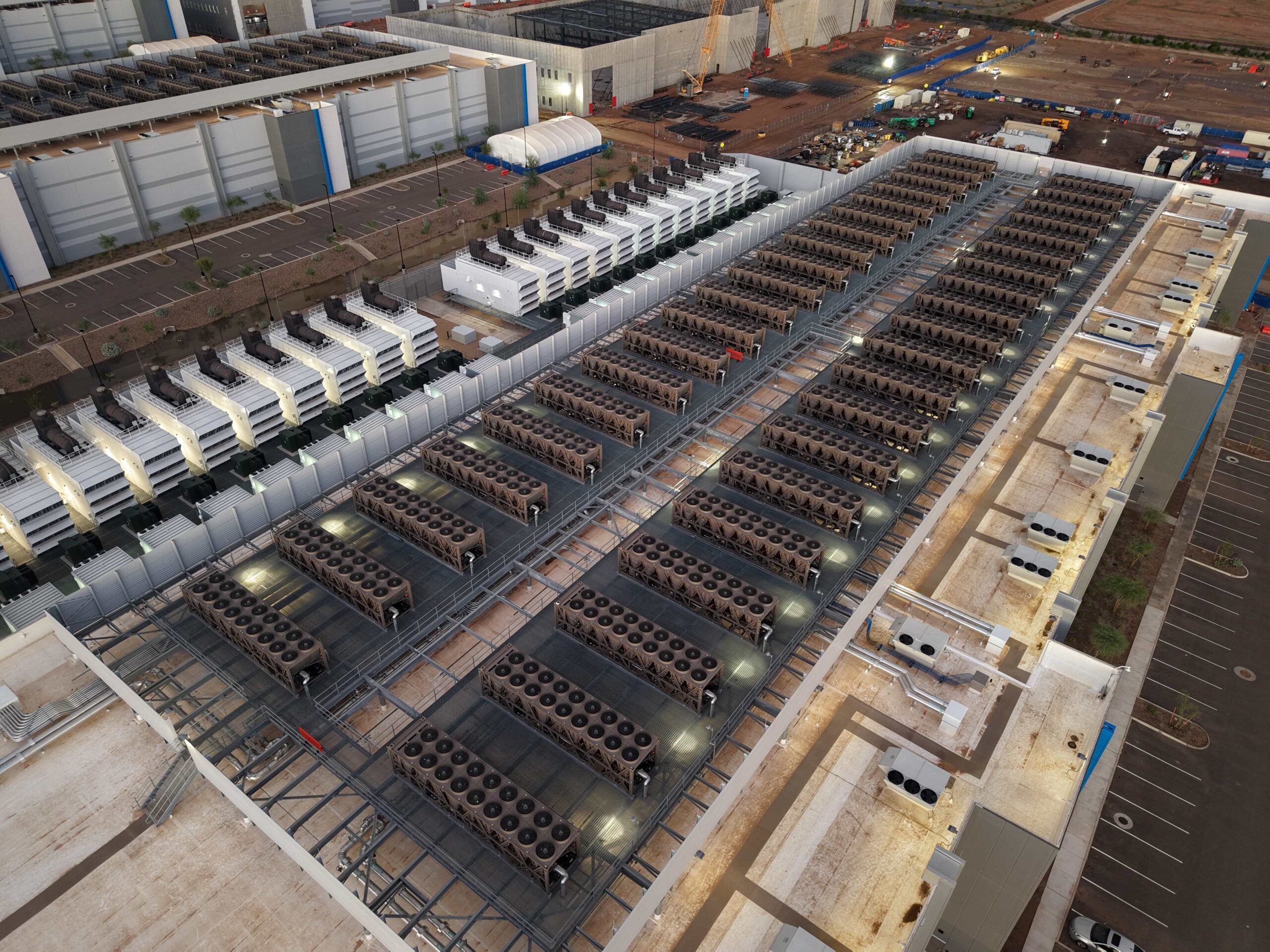
Ontario’s Data Centre Playbook is coming. The province wants to attract data centre investment, keep Canadian data in Canada, and turn AI infrastructure into a new pillar of the economy, and it’s building a formal framework to decide which projects get to connect to the grid. The draft landed for public comment on August 13, 2026, with the final version expected this fall. It puts data centres on a fast track for the province’s AI economy, and it puts noise control on the list of what earns that fast track: quieter cooling systems, sound barriers, smarter placement of mechanical equipment.
Here’s what makes that easy news for developers. This science isn’t new. Ontario has controlled noise from industrial and mechanical facilities for decades. The methods are established. The results are predictable. Data centres are new infrastructure, running on a discipline the province has trusted for decades.
That track record matters right now. Oakville enacted Ontario’s first data centre moratorium the day before the Playbook’s release. Mississauga’s council is set to finalize its own in September. Waterloo Region and Toronto have voted to study the issue. Noise sits at the centre of nearly every one of these debates, treated as a threat rather than a solved engineering problem.
Does the Ontario Data Centre Playbook address noise? Yes. The draft framework names noise from cooling equipment and backup generators as an impact tied directly to public confidence, and public confidence is part of what gets a project approved to connect to the grid. Read more about the draft Playbook framework here.
Developers who bring real acoustic data into site selection and design walk into a municipal review with proof, not a promise. Municipalities weighing a moratorium against a framework get the technical basis to choose the framework. Ontario gets the data centres it needs, built in communities that trust how they’ll sound.
Aercoustics has spent over 50 years turning noise control from a risk into a design advantage for industrial and infrastructure projects across Ontario. For data centre developers and designers building under the Playbook, that looks like:
How we help
- Planning — Predictive modelling at the site-selection stage, so equipment layout and mechanical choices are grounded in real sound data before land is committed, not after
- Design collaboration — Working directly with mechanical engineers and architects to specify cooling systems, generator enclosures, and equipment placement that hit noise targets without over-building or over-spending on mitigation
- Mitigation — Engineering acoustic barriers, enclosures, and equipment configurations that control noise with margin to spare, so a facility performs well under scrutiny, not just on paper
- Verification — Field verification once equipment is running, confirming real-world performance matches the model and giving developers evidence they can point to, not just projections
- Regulatory and hearing support — Technical evidence and expert testimony for municipal reviews, Environmental Registry submissions, or Ontario Land Tribunal proceedings, where credible acoustic data can be the difference between delay and approval
- Policy — Direct input into the Playbook’s public comment process, shaping a framework built on how noise is actually assessed and controlled, and helping municipalities build defensible review criteria of their own.
AI is here to stay, and so is the need to keep Canadian data in Canada. Data centres are becoming essential national infrastructure and building them well means balancing that need against the needs of the communities that host them. Ontario has already proven it can strike that balance. Getting it right at scale will take governments, developers, and designers working together.
The comment period closes in mid-September 2026. We know how to keep data centres quiet. The developers who prove it first are the ones who build fastest.